
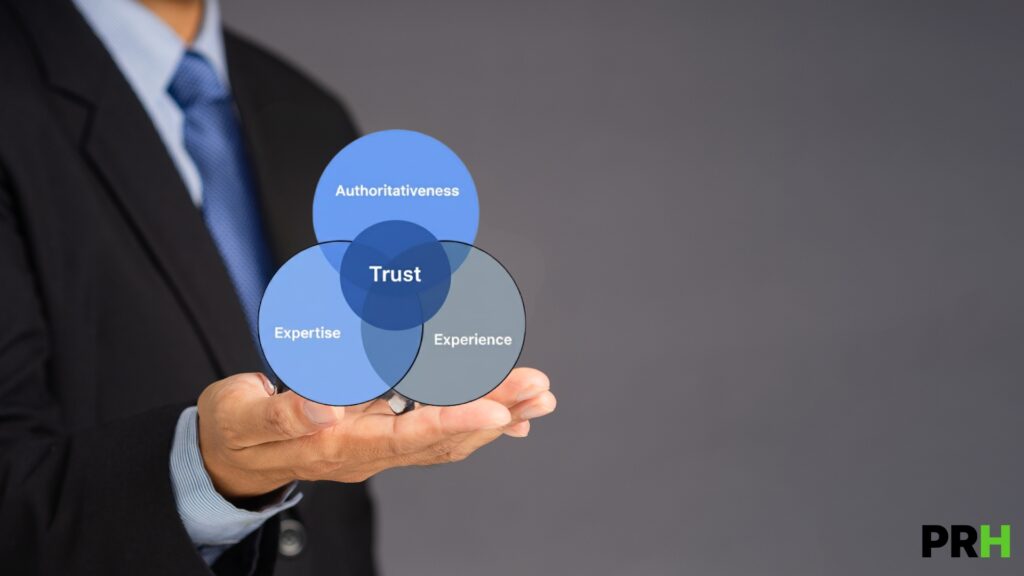

When Google evaluates which websites deserve prominent placement in search results, raw keywords and backlinks tell only part of the story. Behind the scenes, a framework called E-E-A-T shapes how search engines assess content quality and business credibility.
E-E-A-T stands for Experience, Expertise, Authoritativeness, and Trustworthiness. These four factors help Google determine whether a website provides genuine value or merely attempts to game the system.
For party rental business owners, understanding E-E-A-T isn’t about chasing another marketing acronym. It’s about recognizing that the qualities making you a trustworthy rental provider in real life—your hands-on experience, your industry knowledge, your reputation, your reliability—are exactly what search engines want to see reflected in your online presence.
This guide explains each E-E-A-T component in practical terms, shows how they apply specifically to bounce house and party equipment rental businesses, and provides concrete ways to strengthen each element across your digital presence.
What E-E-A-T Actually Means for Local Service Businesses
Google introduced E-E-A-T as part of its Search Quality Rater Guidelines—the manual used by human evaluators who assess search result quality. While these raters don’t directly influence your rankings, their feedback shapes how Google’s algorithms evolve.
The framework originally contained three elements (Expertise, Authoritativeness, Trustworthiness), with Experience added more recently. This addition recognized that firsthand, practical experience carries weight that theoretical knowledge alone cannot match.
For party rental businesses, this evolution is particularly relevant. Your value isn’t primarily academic—it comes from years of setting up equipment, handling diverse event scenarios, solving on-site problems, and accumulating practical wisdom that only comes from doing the work.
Why E-E-A-T Matters More for Some Industries
Google applies E-E-A-T standards more stringently to certain content categories, particularly “Your Money or Your Life” (YMYL) topics—areas where poor information could significantly impact someone’s health, finances, safety, or wellbeing.
Party rentals intersect with YMYL considerations in important ways. Parents trust you with their children’s safety. Inflatable equipment involves legitimate physical risks if handled improperly. Event investments represent meaningful financial commitments for families.
This means demonstrating genuine E-E-A-T isn’t just about better rankings—it’s about appropriately signaling to both search engines and potential customers that you’re a credible, safe choice for something that matters to them.

Experience: Demonstrating Hands-On Industry Knowledge
The first “E” in E-E-A-T focuses on firsthand experience. Do you actually do what you claim expertise in? Have you personally handled the situations you discuss?
For party rental operators, experience encompasses everything from equipment setup and maintenance to customer interactions and event logistics. This accumulated practical knowledge separates genuine industry professionals from websites merely compiling information found elsewhere.
How Experience Applies to Party Rentals
Your experience shows in ways you might take for granted:
Operational knowledge: You know that a 15×15 bounce house needs more than a 15×15 space—you account for anchor points, safe entry distance, and adult supervision positioning. You understand that setup time varies based on access routes, terrain, and equipment type. This practical knowledge comes only from actually doing installations.
Problem-solving history: You’ve handled the unexpected. Equipment issues during events. Weather changes requiring quick decisions. Delivery complications requiring creative solutions. Each situation built experience that theoretical knowledge cannot replicate.
Customer interaction patterns: You know what parents actually worry about because you’ve answered their questions hundreds of times. You understand the real decision factors—not from surveys, but from conversations.
Regional and seasonal insights: You know which equipment works best in your climate, which setups suit common yard configurations in your area, and how local event patterns shape demand throughout the year.
Communicating Experience Through Your Online Presence
Experience means little for E-E-A-T purposes if it’s invisible online. Here’s how to make your practical background evident:
Share specific operational details. When discussing equipment or services, include the kind of specifics only someone with hands-on experience would mention. Describe actual setup considerations, real maintenance practices, or genuine operational factors rather than generic descriptions.
Document your work visually. Photos and videos of actual setups—your team working, equipment at real events, before-and-after sequences—demonstrate that you’re actively doing this work, not just writing about it.
Reference your history naturally. Mentioning how practices have evolved over your years in business, or how you’ve adapted based on experience, signals genuine tenure in the industry.
Tell real stories. When explaining recommendations or policies, grounding them in actual experiences (“After handling hundreds of backyard setups, we’ve found that…”) carries more weight than abstract claims.
Expertise: Establishing Deep Industry Knowledge
Expertise refers to the depth of knowledge you possess in your field. While experience focuses on doing, expertise encompasses the comprehensive understanding that doing builds over time—plus the formal or informal education that informs your approach.
What Expertise Looks Like in Party Rentals
Genuine expertise in the party rental industry spans multiple domains:
Equipment knowledge: Understanding different inflatable manufacturers, construction quality indicators, appropriate use cases for various equipment types, capacity ratings and their real-world implications, and safety feature differences between equipment tiers.
Safety and compliance understanding: Knowledge of ASTM standards for inflatable amusement devices, proper anchoring requirements for different conditions, supervision guidelines, and risk mitigation practices. Understanding of insurance requirements and liability considerations.
Event logistics mastery: Expertise in space planning, power requirements, timing logistics, weather contingency approaches, and coordination with other event elements.
Customer guidance capability: Ability to advise on age-appropriate equipment selection, event flow optimization, realistic capacity planning, and common pitfall avoidance.
Demonstrating Expertise Online
Your website and content should make your expertise evident to both visitors and search engines:
Create comprehensive, helpful content. Address the questions and decisions your customers face with thoroughness that reflects genuine understanding. Surface-level content suggests surface-level expertise.
Explain the “why” behind recommendations. When you advise on equipment selection, space requirements, or safety practices, explaining the reasoning demonstrates expertise that simply stating rules cannot.
Address nuance and complexity. Real expertise recognizes that situations vary. Content that acknowledges different scenarios, exceptions, and conditional factors shows sophisticated understanding.
Show your credentials appropriately. Industry certifications, training completions, association memberships, and insurance credentials all signal professional standing. Display these where relevant without excessive self-promotion.
Maintain accuracy and currency. Outdated information or factual errors undermine perceived expertise quickly. Ensure your content reflects current industry standards and practices.
Authoritativeness: Building Industry Standing and Recognition
Authority moves beyond what you know to how you’re recognized within your industry and community. An authoritative source is one that others reference, trust, and recommend.
For local service businesses, authority operates at both industry and community levels. You might not be nationally recognized, but being the trusted party rental provider in your service area represents meaningful authority.
Components of Authority for Party Rental Businesses
Reputation signals: What customers say about you matters enormously. Review quantity, quality, and consistency across platforms demonstrate market-validated authority. When dozens or hundreds of local families have trusted you and reported positive experiences, that’s authority in action.
Community standing: Involvement with local organizations, relationships with venues and event planners, and recognition within your service area all contribute to local authority.
Industry participation: Membership in industry associations, attendance at trade events, or connections with equipment manufacturers signal professional standing within the broader party rental industry.
Media and mentions: Local news coverage, inclusion in community event resources, or mentions by local blogs and publications all build authority signals.
Peer recognition: Being recommended by complementary businesses (event planners, caterers, venues) or referenced by others in the industry indicates recognized standing.
Building Authority Signals Online
Authority must be demonstrated, not just claimed. Here’s how to build visible authority:
Prioritize review generation. Consistent positive reviews represent the most powerful authority signal for local service businesses. A robust review profile on Google, with additional reviews on relevant platforms, demonstrates that real customers endorse your business.
Secure quality mentions and links. When local publications, community organizations, or event venues mention or link to your business, these signals reinforce authority. Pursue legitimate opportunities—local chamber involvement, community event sponsorships, venue partnerships—that naturally generate mentions.
Maintain consistent professional presence. Your business information should appear consistently across relevant directories and platforms. Inconsistent or sparse presence across the web undermines authority perception.
Display affiliations appropriately. Industry association memberships, local business organization involvement, and professional credentials all support authority. Include these where relevant without cluttering your presentation.
Develop relationships that generate recognition. Partnerships with venues, referral relationships with event planners, or collaborations with complementary services create natural authority-building opportunities while serving genuine business purposes.
Trustworthiness: The Foundation Everything Else Builds Upon
Trust is the culmination of E-E-A-T—the quality that experience, expertise, and authority ultimately serve. A business might have extensive experience and deep expertise but still fail the trust test through unclear practices, poor communication, or credibility gaps.
For party rental businesses handling children’s safety and family celebrations, trust is non-negotiable. Parents need to feel confident before handing over money and entrusting you with their event.
What Creates Trust in Party Rentals
Transparency: Clear pricing or pricing processes. Straightforward policies on deposits, cancellations, and weather situations. Honest equipment descriptions without exaggeration. No hidden fees or surprise charges.
Reliability: Consistent delivery on promises. On-time arrivals. Equipment matching descriptions. Responsive communication. Follow-through on commitments.
Safety commitment: Visible attention to equipment maintenance, cleaning practices, and safe operation. Clear safety guidelines communicated proactively. Proper insurance coverage.
Professionalism: Organized processes. Clear communication. Professional appearance of equipment, vehicles, and staff. Responsive customer service.
Accountability: Honest handling of problems. Fair resolution of complaints. Willingness to make things right when issues arise.
Demonstrating Trustworthiness Online
Trust signals should permeate your entire online presence:
Make policies clear and accessible. Don’t hide cancellation policies, damage terms, or booking conditions in fine print. Present them clearly where customers can find them before booking. Transparency builds trust; obscurity destroys it.
Provide complete contact information. Physical address, phone number, email—make it easy for people to reach you through their preferred channel. Anonymous or contact-hidden websites trigger legitimate suspicion.
Show your real business. Photos of actual equipment, your real team, genuine customer events (with permission). Stock photos of generic bounce houses suggest a business with something to hide.
Display security and legitimacy indicators. SSL certificates (the padlock icon). Insurance information. Business registration details where appropriate. These signals verify your legitimacy.
Feature genuine customer voices. Real reviews, authentic testimonials, actual customer photos. Manufactured or vague endorsements undermine trust rather than building it.
Respond to feedback publicly. How you handle reviews—especially negative ones—demonstrates character. Thoughtful, professional responses to criticism show accountability and customer commitment.
Maintain website quality. Broken links, outdated information, spelling errors, and poor design all subtly undermine trust. A neglected website suggests a potentially neglectful business.
Practical Implementation: Strengthening E-E-A-T Across Your Presence
Understanding E-E-A-T conceptually matters less than implementing it practically. Here’s how to systematically strengthen each element.
Website Content Improvements
Develop an authoritative “About” page. Go beyond generic business descriptions. Include your history in the industry, your background and qualifications, why you started the business, and what drives your approach. Personal details humanize your business while demonstrating experience.
Create team profiles if applicable. If you have employees involved in customer interaction or setup, consider brief profiles highlighting their experience and training. This extends E-E-A-T signals beyond you personally.
Build comprehensive service content. Each major service category deserves thorough coverage addressing what customers need to know. Thin pages with minimal information signal minimal expertise.
Add helpful resource content. Guides addressing customer questions demonstrate expertise while serving visitor needs. Planning guides, safety information, and equipment selection advice all showcase knowledge while providing value.
Include appropriate credentials. Industry certifications, insurance information, training credentials, and association memberships should be visible but not overwhelming. A dedicated section or footer inclusion works well.
Google Business Profile Optimization
Complete every relevant field. Incomplete profiles suggest incomplete businesses. Fill out all applicable attributes, service descriptions, and business details.
Add quality photos regularly. Show your equipment, your team, actual event setups. Fresh photos indicate an active, operating business.
Respond to all reviews thoughtfully. Thank positive reviewers specifically. Address negative reviews professionally and constructively. This demonstrates active management and customer commitment.
Use posts to show activity. Regular GBP posts about seasonal offerings, new equipment, or business updates signal an engaged, operating business.
Maintain accurate information. Hours, contact details, service areas—keep everything current. Outdated information damages trust immediately.
Review Strategy Development
Request reviews systematically. After successful rentals, ask satisfied customers to share their experience. A consistent process yields consistent results.
Make reviewing easy. Provide direct links to your Google review page. Remove friction from the process.
Earn reviews across platforms. While Google reviews matter most, presence on Facebook, Yelp, or industry-specific platforms adds depth to your review profile.
Never incentivize or fabricate reviews. Beyond being against platform policies, fake reviews eventually damage credibility far more than their short-term benefit provides.
External Presence Building
Ensure NAP consistency. Your business name, address, and phone number should appear identically everywhere online. Inconsistencies create confusion and undermine trust signals.
Pursue legitimate citation opportunities. Local business directories, chamber of commerce listings, industry association directories—these provide both visibility and authority signals.
Develop referral relationships. Connections with venues, event planners, and complementary businesses generate natural mentions and recommendations that build authority.
Engage with local community. Sponsorships, community event involvement, and local organization participation create recognition and trust within your service area.
Common E-E-A-T Mistakes to Avoid
Several frequent missteps undermine E-E-A-T despite good intentions:
Claiming expertise without demonstrating it. Stating that you’re “the best” or “most experienced” without supporting evidence actually hurts credibility. Show rather than tell.
Neglecting the basics while pursuing advanced tactics. A business chasing sophisticated marketing strategies while their website has outdated information and unanswered reviews has their priorities inverted.
Copying competitor content. Duplicated content signals the opposite of expertise. If your service descriptions could apply to any party rental company anywhere, they demonstrate nothing about your specific knowledge and experience.
Ignoring negative feedback. Unanswered negative reviews suggest you either don’t care or don’t monitor your reputation. Neither interpretation helps you.
Overstating credentials. Claiming certifications you don’t have, inflating experience, or implying capabilities beyond reality damages trust when discovered—and it usually gets discovered.
Hiding behind stock imagery. Parents want to see your actual equipment, your real team, genuine events. Generic images suggest a generic or possibly fictional business.
Letting information go stale. Content referring to “this season” from three years ago, pricing that’s clearly outdated, or equipment you no longer carry signals neglect that undermines trust.

Building E-E-A-T as an Ongoing Practice
E-E-A-T isn’t a one-time project. It’s the ongoing result of how you operate your business and present yourself online.
Document your work consistently. Make photography and content creation part of your operational routine. Each event represents an opportunity to capture experience in action.
Continue learning and developing. Industry training, safety certifications, and equipment education all build genuine expertise while creating demonstrable credentials.
Cultivate relationships systematically. Industry connections, community involvement, and referral partnerships develop authority through recognition and recommendation.
Maintain your presence actively. Regular attention to your website, GBP, and review presence keeps everything current and signals an engaged, operating business.
Respond and engage genuinely. When customers reach out—through reviews, questions, or concerns—thoughtful engagement demonstrates the care that builds trust.
The Compounding Value of Genuine E-E-A-T
Party rental businesses that systematically build E-E-A-T signals enjoy benefits beyond improved search visibility.
Strong E-E-A-T presence converts visitors into bookers more effectively. Parents evaluating multiple rental options choose businesses that demonstrate credibility over those that don’t.
Established trust and authority command better pricing. Businesses perceived as premium providers can charge accordingly.
Reputation compounds over time. Each positive review, each successful event, each year in business adds to cumulative credibility that newcomers can’t quickly replicate.
Strong E-E-A-T also insulates against algorithm changes. Businesses built on genuine quality signals fare better through search engine updates than those relying on technical manipulation.
Perhaps most importantly, focusing on E-E-A-T aligns your online presence with the real qualities that make your business valuable. The experience you’ve accumulated, the expertise you’ve developed, the authority you’ve earned, and the trust you’ve built—these aren’t marketing constructs. They’re the authentic foundation of a business worth choosing.
Your digital presence should reflect these qualities accurately. When it does, both search engines and the parents searching for party rental services will recognize a business they can trust.