

A growing number of people now turn to AI assistants when researching purchases and planning events. Parents asking ChatGPT for birthday party ideas, families using Perplexity to research rental options, or searchers encountering Google’s AI-generated overviews—these interactions represent a shift in how information gets discovered and consumed.
For party rental business owners watching this trend, a natural question emerges: How do you get your website mentioned when AI systems generate responses? When someone asks an AI assistant about bounce house safety or party rental considerations, what determines which sources get cited?
This guide examines how AI citation actually works, provides practical strategies for increasing your visibility in AI-generated responses, and offers realistic perspective on what this means for local service businesses focused on booking rentals.
Understanding How AI Systems Select Sources to Cite
Before pursuing AI citations, understanding the mechanics helps you invest effort wisely.
How Large Language Models Access Information
AI assistants like ChatGPT and Claude operate differently than traditional search engines. Their core knowledge comes from training data—vast amounts of text processed during their development. This training creates general knowledge but doesn’t include real-time information or comprehensive coverage of every website.
When AI systems cite specific sources in their responses, they typically rely on one of several mechanisms:
Integrated search functionality. Many AI assistants now include web search capabilities. When answering questions requiring current information, they search the web and synthesize results—similar to how a person might research a topic before answering a question.
Retrieval-augmented generation. Some AI systems access specific databases or document collections to inform their responses. This allows them to reference particular sources rather than relying solely on training data.
Training data influence. Content that was widely available, frequently referenced, or particularly authoritative during training may influence AI responses even without real-time retrieval. However, this influence is diffuse and difficult to engineer deliberately.
What Makes Content Citation-Worthy
AI systems selecting sources to cite generally favor content exhibiting certain qualities:
Clear, direct answers to specific questions. Content that directly addresses common questions in straightforward language is easier for AI systems to extract and reference.
Authoritative and trustworthy sources. AI systems attempt to cite reliable sources. Established websites with demonstrated expertise, consistent information, and quality signals are preferred over thin or questionable sources.
Well-structured, accessible content. Logical organization, clear headings, and properly formatted information make content easier for AI systems to parse and reference accurately.
Unique, substantive information. Content offering genuine insight, original data, or expert perspective provides more citation value than generic information available everywhere.
Factual accuracy and currency. AI systems increasingly attempt to verify information and favor sources that prove reliable over time.
Why AI Citations Matter Differently for Local Service Businesses
Before investing heavily in AI citation strategies, party rental businesses should understand how this opportunity actually applies to their situation.
The Local Service Reality
When someone asks an AI assistant “What’s a good bounce house rental company in Phoenix?” the AI faces a fundamental limitation: it doesn’t function as a local business directory with real-time availability, verified reviews, and current service area information.
AI assistants handle these queries differently than informational questions. They might:
- Suggest using local search engines or directories
- Provide general advice on evaluating rental companies
- Acknowledge they can’t make specific local recommendations
- Search the web and surface results without strong endorsement
This means the direct “AI recommends your business” scenario is less common than you might hope. AI citations for party rental businesses more often occur in informational contexts—when someone asks about bounce house safety, party planning considerations, or rental industry topics generally.
Where AI Citations Can Help
Despite limitations on direct local recommendations, AI citations offer value in several ways:
Brand awareness through informational queries. When your content gets cited in responses about party planning, equipment safety, or event considerations, people encounter your business name in a trusted context.
Traffic from citation links. When AI systems cite sources, they often include links. Users exploring topics further may click through to your site.
Authority reinforcement. Being cited by AI systems as a source on industry topics reinforces your expertise positioning, even if readers don’t immediately need your services.
Long-tail discovery. Specific questions about party rentals (“How much weight can a bounce house hold?” or “What age is appropriate for water slide rentals?”) might surface your content to people in early planning stages.
Realistic Expectations
For local service businesses, AI citations represent a supplementary visibility channel rather than a primary booking driver. The path from AI citation to rental booking is less direct than from local search result to booking.
This doesn’t mean AI visibility is worthless—but it should be pursued as part of a broader content strategy rather than as a primary marketing focus. The good news: many tactics that increase AI citation likelihood also strengthen your traditional search presence and website quality.
Practical Strategies for Increasing AI Citation Potential
With appropriate expectations established, here are concrete approaches to improve your chances of being cited by AI systems.
Create Question-Focused Content
AI systems frequently respond to questions, making question-focused content particularly citation-friendly.
Identify questions your customers actually ask. The inquiries you field from prospective customers represent real information needs. Common questions about equipment selection, safety considerations, pricing factors, setup requirements, and booking processes all make excellent content foundations.
Structure content around specific questions. Rather than broad topic pages, create content addressing specific questions directly. “How Much Space Do You Need for a Bounce House?” as a focused article performs better for AI citation than a general page mentioning space requirements among many other topics.
Provide clear, direct answers early. When someone asks a question, AI systems look for direct answers to extract. Begin question-focused content with a clear, concise response before expanding with detail and context.
Cover question variations. People ask similar questions differently. Address variations naturally within your content to match diverse query phrasings.
Develop Genuinely Expert Content
AI systems attempt to cite authoritative sources. Content demonstrating genuine expertise stands out.
Go deeper than competitors. If every party rental website says bounce houses need flat surfaces, your content should explain why (safety, proper inflation, anchoring effectiveness), what “flat enough” actually means, and how to assess questionable spaces. Depth signals expertise.
Include specific, practical details. Generic advice is widely available. Specific guidance—actual weight capacities, realistic setup timeframes, genuine safety protocols—demonstrates hands-on knowledge AI systems recognize as valuable.
Share operational insights only industry professionals would know. The details you’ve learned from experience—common setup challenges, equipment maintenance realities, customer misunderstandings you frequently address—represent unique expertise worth documenting.
Back claims with appropriate sources. When referencing safety standards, statistics, or technical specifications, cite legitimate sources. This substantiation signals content quality.
Optimize Content Structure for AI Extraction
How you organize and format content affects how easily AI systems can parse and cite it.
Use clear, descriptive headings. Headings should accurately describe the content that follows. AI systems use heading structure to understand content organization and locate relevant information.
Employ consistent formatting patterns. Lists, tables, and structured formats help AI systems extract specific information. A clearly formatted table of equipment dimensions is easier to reference than the same information buried in paragraph text.
Include summary elements. Brief summaries, key takeaways, or definition boxes provide concentrated information AI systems can cite directly.
Maintain logical content hierarchy. Information should flow logically from general to specific, with clear relationships between sections. Disorganized content is harder for AI systems to reference accurately.
Build Topical Authority Across Related Subjects
AI systems consider overall source authority when selecting citations. Building comprehensive coverage of your topic area strengthens citation potential across all your content.
Cover your topic area thoroughly. Rather than one page about bounce houses, develop content addressing multiple aspects: safety, selection, setup, maintenance, party planning integration, age appropriateness, weather considerations, and more. Comprehensive coverage signals topical authority.
Interlink related content appropriately. Connect related pieces through relevant internal links. This helps establish your site’s topical structure for both AI systems and search engines.
Address adjacent topics relevant to your audience. Party rental customers also care about party planning, event logistics, and celebration ideas. Content serving these related needs expands your topical footprint while serving actual audience interests.
Maintain content over time. Regularly updated, well-maintained content signals ongoing authority. Outdated information or neglected pages undermine perceived reliability.
Ensure Technical Accessibility
AI systems accessing your content need to actually retrieve and process it successfully.
Verify crawlability. Ensure search engines and AI systems can access your content. Robots.txt restrictions, login requirements, or technical barriers prevent citation.
Implement appropriate schema markup. Structured data helps AI systems understand your content type and extract information accurately. FAQ schema, How-To schema, and Local Business schema all provide useful context.
Maintain fast, reliable hosting. If your site loads slowly or experiences frequent downtime, AI systems may deprioritize it as a source.
Use clean, semantic HTML. Properly structured markup makes content easier for AI systems to parse. Avoid cluttered code or unusual structures that complicate extraction.
Publish Consistently and Maintain Freshness
Content currency influences AI citation decisions, particularly for topics where information changes.
Publish new content regularly. Consistent publishing signals an active, maintained resource. A site with no new content in years appears potentially outdated.
Update existing content appropriately. When information changes—new safety standards, updated equipment capabilities, changed regulations—update your content accordingly. Note updates where relevant.
Add dates and update indicators. Publication dates and “last updated” indicators help AI systems assess content currency.
Remove or redirect outdated content. Content about discontinued products, past events, or obsolete information should be updated, removed, or redirected rather than left to confuse AI systems.
Content Topics With Strong AI Citation Potential
Certain content types offer better AI citation opportunities for party rental businesses.
Safety and Guidelines Content
Questions about bounce house safety, weight limits, supervision requirements, and proper use are commonly asked and highly citation-worthy.
Comprehensive safety guides. Detailed coverage of inflatable safety—anchoring requirements, capacity guidelines, supervision recommendations, weather considerations—addresses frequent queries with content worth citing.
Age and size appropriateness guidance. Content helping parents match equipment to their children’s ages and sizes answers specific questions AI systems field regularly.
Setup and operation instructions. Proper inflation, anchoring procedures, and operational guidelines represent practical information AI might reference.
Decision-Support Content
Content helping people make party rental decisions provides natural citation opportunities.
Equipment comparison and selection guidance. Helping readers understand differences between equipment types, appropriate choices for various events, and selection criteria positions your content for citation when AI assists these decisions.
Budget and value explanations. Content addressing pricing factors, what affects rental costs, and how to maximize value answers common planning questions.
Event planning frameworks. Guides helping people think through party logistics, timing, space requirements, and coordination create citation opportunities for planning-related queries.
Industry-Specific Expertise Content
Content demonstrating specialized industry knowledge stands out for citation.
Equipment technical information. Detailed explanations of how inflatables work, construction quality indicators, and commercial versus residential equipment differences showcase expertise.
Industry standards and compliance. Content explaining ASTM standards, insurance requirements, and professional practices demonstrates authoritative knowledge.
Maintenance and care information. Professional insights into equipment cleaning, inspection, storage, and longevity provide unique value.
Local and Seasonal Content
While harder to cite in AI responses, locally-relevant content serves your actual audience while building site authority.
Regional event considerations. How climate, terrain, or local conditions affect party rental decisions in your area.
Seasonal guidance. Content addressing seasonal opportunities, weather considerations, and timing factors relevant to your service area.
Local venue and coordination information. Guidance specific to popular venues or event contexts in your community.
Measuring AI Citation Impact
Understanding whether AI citation efforts produce results helps you allocate resources appropriately.
Direct Monitoring Challenges
Unlike traditional search rankings, AI citations are difficult to monitor directly. There’s no equivalent to rank tracking for AI responses, which vary by user, context, and query phrasing.
Indirect Indicators to Watch
Referral traffic from AI platforms. Analytics tools can identify traffic from sources like chat.openai.com, perplexity.ai, or other AI platforms. Increases suggest citation activity.
Brand mention monitoring. Tools tracking brand mentions across the web may capture AI platform discussions referencing your business.
Direct traffic increases. If AI citations drive brand awareness, you might see increased direct traffic from people who learned about you through AI interactions.
Search volume for your brand. Increased branded searches might indicate AI-driven discovery, though isolating this cause is difficult.
Practical Monitoring Approach
Given measurement challenges, focus on:
- Tracking referral traffic from identifiable AI sources
- Monitoring overall traffic trends for correlation with content efforts
- Noting any customer mentions of discovering you through AI assistants
- Evaluating content performance through traditional metrics that also indicate AI citation potential
Avoid investing heavily in trying to perfectly measure AI citation impact. The effort often exceeds the actionable insight gained.
Common Mistakes When Pursuing AI Citations
Several missteps waste resources or potentially backfire.
Neglecting Local Search for AI Visibility
Party rental businesses booking through local search shouldn’t sacrifice local SEO fundamentals to chase AI citations. A strong Google Business Profile delivers more bookings than AI mentions for most local service businesses.
Pursue AI citation strategies that complement rather than compete with local search priorities.
Creating Content Purely for AI Extraction
Content transparently manufactured for AI citation—thin answers without genuine value, keyword-stuffed question pages, or manipulative structures—typically fails. AI systems increasingly recognize and discount low-quality content.
Create content that genuinely helps your human audience. AI citation follows quality, not gaming.
Expecting Immediate or Dramatic Results
AI citation impact builds gradually and often remains modest for local service businesses. Expecting quick booking increases from AI visibility leads to disappointment.
View AI citation as a long-term, supplementary channel rather than a primary marketing driver.
Duplicating Competitor Content
Producing the same generic content as every other party rental website creates nothing citation-worthy. AI systems selecting among similar sources have no reason to choose yours.
Differentiate through depth, expertise, and unique perspective your experience enables.
Ignoring Content Maintenance
Publishing content and forgetting it undermines citation potential over time. Outdated information loses citation value and damages overall site authority.
Plan for ongoing content maintenance from the start.
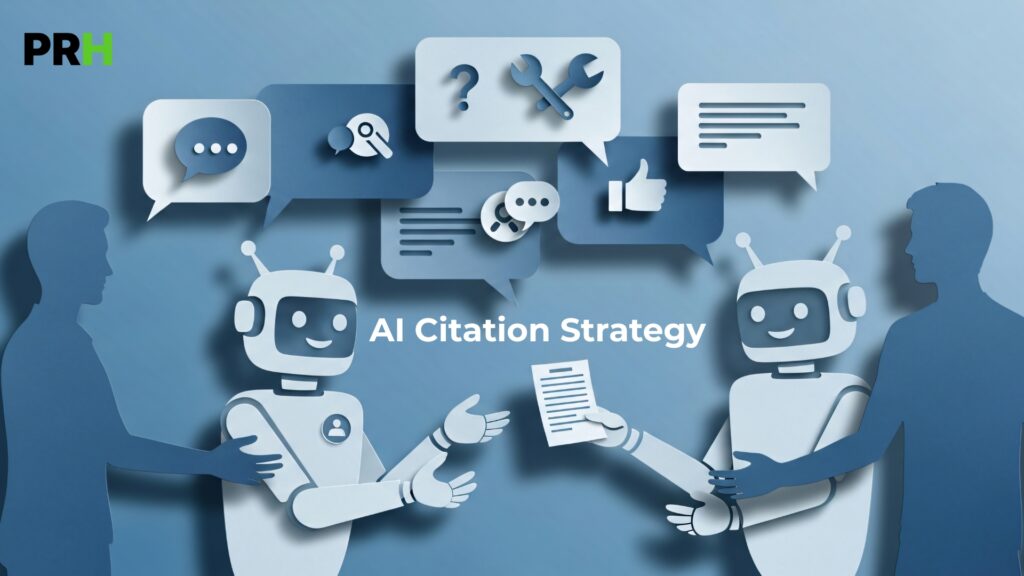
Integrating AI Citation Strategy With Broader Marketing
AI visibility works best as part of a cohesive marketing approach rather than an isolated tactic.
Content Serving Multiple Purposes
The content characteristics that improve AI citation potential—depth, clarity, expertise, organization—also improve traditional search performance, website conversion, and customer trust.
Create content that serves your audience genuinely. AI citation becomes a natural byproduct of quality rather than a separate pursuit.
Balancing Priorities Appropriately
For party rental businesses, reasonable priority ordering typically looks like:
- Google Business Profile optimization and local search fundamentals
- Website quality and conversion optimization
- Review generation and reputation management
- Helpful content development (serving both search and AI visibility)
- AI-specific optimization tactics
AI citation strategies should enhance rather than displace priorities with more direct booking impact.
Long-Term Perspective
As AI becomes more integrated into how people find information and make decisions, visibility in AI responses will likely grow in importance. Building citation-worthy content now positions your business well for this evolution.
However, the fundamental need—connecting local families with reliable party rental services for their celebrations—remains unchanged regardless of how discovery channels evolve.
Moving Forward Practically
Translating these concepts into action, consider these starting points:
Audit your current content for citation potential. Does existing content directly answer common customer questions? Is it well-structured and comprehensive? Identify gaps and improvement opportunities.
Identify your strongest expertise areas. Where does your experience enable uniquely valuable content? Focus initial efforts where you can differentiate most clearly.
Develop a sustainable content approach. Rather than a one-time push, plan ongoing content development and maintenance that consistently builds your resource library.
Monitor results without obsessing. Track available indicators of AI visibility while recognizing measurement limitations. Adjust based on trends without overreacting to short-term fluctuations.
Maintain perspective on priorities. Continue prioritizing marketing activities with direct booking impact while building AI visibility as a complementary long-term investment.
The party rental businesses that will benefit most from AI citation opportunities are those creating genuinely valuable content from real expertise—not those chasing shortcuts to AI visibility. Your years of experience setting up equipment, serving families, and building your business provide the foundation for content worth citing.
Documenting that expertise in well-structured, accessible content serves your audience, strengthens your website, supports your search visibility, and positions you for citation when AI systems seek authoritative sources on party rental topics. The tactics align because they all ultimately serve the same goal: demonstrating that you’re a trustworthy, knowledgeable choice for families planning celebrations in your community.