
Starting a bounce house rental business requires $15,000–$50,000 in realistic first-year investment, with budget-conscious operators able to begin for as little as $10,000. However, industry data reveals that 72–82% of new operators underestimate costs by 30–40%, contributing to a 10% first-year failure rate. The business can generate $10,000–$25,000 annually part-time or $50,000–$150,000+ full-time once established, though most operators need 2–3 years before achieving income sufficient to replace a full-time job.
Commercial inflatable equipment represents your largest investment
New commercial bounce houses range from $1,395–$10,000+ depending on type and size. Standard 13×13 bounce houses cost $1,495–$2,100, while the more versatile wet/dry combo units (bounce house with slide) run $2,500–$4,500. Water slides command premium prices of $2,295–$6,795 based on height, with 18-foot models averaging $3,000–$4,500. Obstacle courses range from $1,810 for 30-foot models to $7,000 for 60+ foot units.
Used equipment offers substantial savings of 30–60% off retail. Facebook Marketplace, manufacturer used sections (Magic Jump, Space Walk, KidWise), and retiring rental companies provide the best deals. A lightly used 13×13 bounce house typically sells for $900–$1,400 versus $1,800 new. When buying used, inspect vinyl condition, seam integrity, and anchor points—never purchase without seeing the unit inflated.
Industry experts strongly recommend starting with wet/dry combo units over standard bounce houses due to their year-round versatility and higher rental rates. The booking ratio is approximately 10:1 in favor of combos over obstacle courses, making combos the smartest initial investment. For a part-time operation, 2–4 units totaling $4,000–$10,000 provides adequate inventory. Full-time operators should target 5–10 units at $10,000–$30,000.
Premium manufacturers (Magic Jump, Cutting Edge, Jungle Jumps) use 18oz vinyl with quadruple stitching and offer 2–3 year warranties, while budget options (Hero Kiddo, Omega Inflatables) use 15oz vinyl with 1-year warranties at 30–40% lower prices.
Insurance is non-negotiable and often underestimated
General liability insurance costs $674–$3,500 annually depending on coverage level and number of units. The industry-standard policy provides $1 million per occurrence/$2 million aggregate coverage—most venues, schools, and parks require this minimum before allowing setup. Basic startup coverage begins around $300–$800/year, but comprehensive protection (including equipment and commercial auto) runs $2,500–$3,500+ annually.
The Hartford offers the lowest average rates at approximately $57/month, followed by biBERK ($59/month) and NEXT Insurance ($66/month). Specialty providers like Cossio Insurance Agency and XINSURANCE focus specifically on inflatable rental businesses and handle difficult placements. Additional Insured certificates—required by most event venues—are typically included at no extra cost from reputable providers.
Insurance costs scale with inventory: expect approximately $1,500–$3,000 per unit annually once fully operational. This ongoing expense catches many new operators off guard and contributes significantly to first-year struggles.
Legal formation and licensing costs vary dramatically by location
LLC formation ranges from $40 in Arizona to $500 in Massachusetts, with most states falling between $100–$200. Annual state fees add ongoing costs—California charges an $800 annual franchise tax while Texas requires nothing for most LLCs. Registered agent services cost $99–$299/year if needed, though you can serve as your own agent for free in most states.
Business licenses typically cost $50–$400 annually depending on jurisdiction. The tricky part involves special permits: New Jersey, New York, Texas, and Virginia require amusement device permits and annual inspections at $100–$250 per unit. California does not inspect inflatables at the state level. Park use permits, special event permits, and sales tax registrations add complexity but are usually inexpensive ($0–$200).
Attorney-drafted liability waivers and rental contracts cost $500–$2,500 but represent critical protection given that bounce house injuries result in 18,000+ emergency room visits annually. Free online templates exist, but industry experts strongly recommend customized legal documents for your specific state and city.
Total first-year legal/insurance budget: $3,500–$7,000, with $2,000–$5,000 recurring annually.
Transportation requires careful planning and significant capital
The 7×14 enclosed trailer has emerged as the industry sweet spot, priced at $7,300–$10,500 new or $5,000–$7,500 used. This size accommodates 4–6 standard bounce houses while remaining maneuverable in residential driveways. Smaller 6×12 trailers cost $4,900–$6,700 new but limit growth. Used trailers from Facebook Marketplace and Craigslist start around $2,000–$4,000 for basic models.
Enclosed trailers are strongly preferred over open flatbeds for weather protection, security, and professional appearance—inflatables stored wet develop mold within days, potentially destroying expensive equipment. Essential trailer features include rear ramp doors, side access doors, floor tie-downs, tandem axles with electric brakes, and 6’6″+ interior height.
Most half-ton pickup trucks (Ford F-150, Chevy Silverado 1500, RAM 1500) provide adequate towing capacity of 8,000–13,500 pounds with proper tow packages. A fully loaded 7×14 trailer weighs approximately 4,000–6,000 pounds. Many operators successfully start with existing SUVs or trucks, though dedicated towing vehicles ($15,000–$40,000 used) become necessary as operations scale.
Budget operators can begin with a cargo van ($10,000–$25,000 used) transporting 1–3 units without a trailer. However, this approach limits growth and isn’t practical beyond the startup phase.
Marketing and technology require ongoing investment
Website costs range from $348/year for DIY platforms (Wix, Squarespace at $29/month) to $5,000–$10,000 for professional development with integrated booking. Industry-specific software provides significant advantages: InflatableOffice (free for 10 items, then $124–$264/month) leads the market, while Booqable ($29–$79/month) and Goodshuffle Pro ($39–$139/month) offer alternatives.
Google Business Profile setup is free and absolutely essential—99% of customers find rental businesses online. Google Ads for local services cost approximately $300–$500/month minimum with cost-per-click averaging $1–$5 for local searches. Facebook/Instagram advertising requires $150–$300/month for meaningful reach.
Vehicle wraps generate up to 70,000 daily impressions with the lowest cost-per-thousand of any advertising method at $0.77 CPM. Full truck wraps cost $2,500–$5,000 while partial wraps run $1,000–$2,500—one-time investments versus ongoing ad spend.
Realistic first-year marketing budget: $6,000–$12,000, including website, software, and advertising.
Operational equipment and supplies add up quickly
Each inflatable requires its own commercial blower running continuously during use. Blowers cost $189–$350 each based on horsepower (1.0–3.0 HP), with larger water slides and obstacle courses often requiring two. Budget 15% extra for backup units.
Anchoring supplies include 18″ carbon steel stakes ($80/10-pack), sandbags for hard surfaces ($10–$17 each), and water bags ($40 each)—most units need 4–8 anchor points. Ground tarps run $20–$100 per unit, heavy-duty extension cords cost $30–$80 each (50-foot maximum from outlet to blower—never daisy-chain), and repair kits add $100–$200 annually.
Professional dollies represent a significant but worthwhile investment. Basic hand trucks cost $100–$200, while commercial 4-wheel dollies with winches run $1,750–$2,250. These protect both equipment and operator backs during constant loading.
Cleaning supplies consume $150–$300 monthly for proper sanitization between rentals. Safety mats at entry/exit points cost $65 each, and first aid kits, signage, and cones add $150–$300 per unit.
Hidden costs blindside unprepared operators
Storage facilities quickly become necessary as inventory grows beyond garage capacity. Climate-controlled storage runs $400–$800/month, while standard units cost $100–$300/month—an annual expense of $1,200–$9,600 many operators fail to anticipate.
Generators catch operators off guard: approximately 50% of park events have no available power. Portable generators capable of running 2+ blowers cost $300–$1,500 to purchase, with rental options at $65–$85/event.
Credit card processing fees of approximately 2.9% + $0.30 per transaction consume roughly $1,200 annually on $36,000 in revenue. Vehicle maintenance averages $2,500–$5,000 annually, and equipment depreciation runs 15–20% per year—a $30,000 inventory loses $4,500–$6,000 in value annually.
State inspection requirements surprise many operators. Texas, New Jersey, and several other states mandate annual inspections at $100–$250 per unit plus filing fees. Accounting software costs $240–$900/year, while professional bookkeeping runs $2,400–$6,000 annually.
The critical rule many sources cite: maintain a 3:1 ratio between operational reserves and equipment investment. A $30,000 equipment investment requires approximately $90,000 in total capital for sustainable operations through seasonal fluctuations.
Seasonal cash flow creates existential risk for many businesses
The bounce house rental business operates on a 7–8 month season in most U.S. regions, with virtually no revenue November through March in northern states. Even in Texas and Florida, winter months see dramatically reduced bookings. 10% of inflatable businesses fail annually due specifically to poor winter cash flow management.
Peak season runs April through October, with May through September generating 60–70% of annual revenue. Operators must reserve sufficient capital to cover 4+ months of fixed costs (insurance, storage, phone, marketing) with no incoming revenue.
Successful operators address seasonality through indoor rentals of smaller units, holiday decoration services, equipment maintenance during downtime, and purchasing new inventory at off-season discounts. Geographic variations matter significantly: Colorado operators report an 8-month season while Florida operators can work 10–12 months.
Realistic revenue requires conservative expectations
Rental rates vary by unit type: basic bounce houses command $80–$200 per 4–8 hour rental, combo units $200–$350, and water slides $200–$500. New businesses should expect approximately 0.5–1 rental per unit per week initially, growing to 1.5–2+ rentals weekly as reputation develops.
Part-time operation (weekends only with 3–4 units) realistically generates $10,000–$20,000 in first-year revenue with $5,000–$10,000 net after expenses. Time investment runs 15–25 hours per weekend during peak season plus 5–10 hours weekly for administration, cleaning, and phone calls.
Full-time operation (6–10 units) can generate $50,000–$100,000+ annually once established, with net income of $30,000–$50,000 after all expenses. However, first-year full-time attempts typically produce only $25,000–$50,000 in revenue with $15,000–$30,000 net—insufficient to replace most full-time incomes.
A detailed per-unit analysis from an experienced Colorado operator reveals sobering numbers: a single bounce house generating 50 rentals at $200 each ($10,000 gross) nets only $850 after all expenses including fuel, vehicle maintenance, labor, advertising, repairs, depreciation, insurance, and supplies. A 6-unit fleet might generate $5,100 in actual profit before accounting for owner labor.
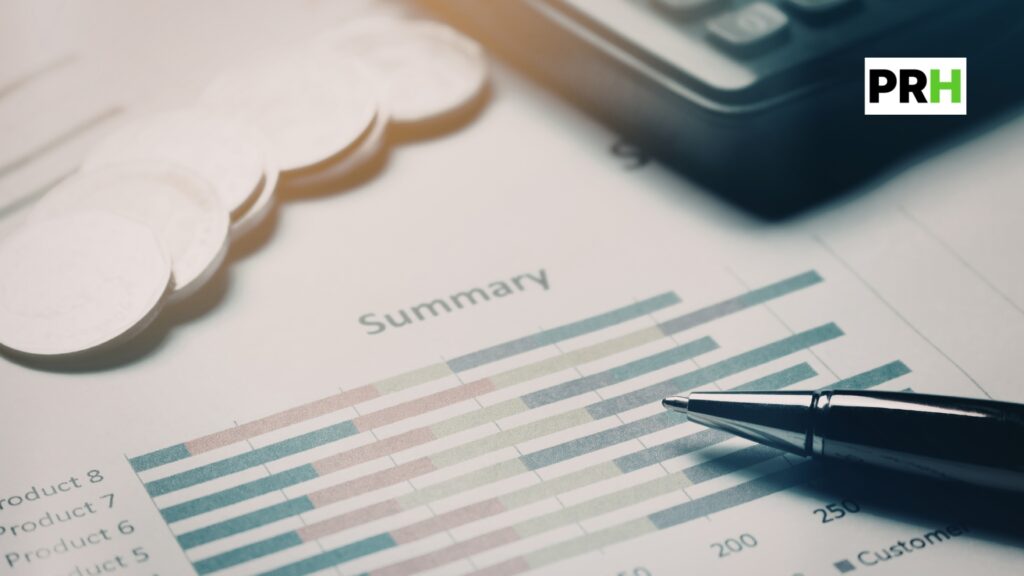
Startup budget summary by investment level
Budget startup ($10,000–$15,000):
- 2–3 used bounce houses: $3,000–$5,000
- Used small trailer (6×10): $2,000–$3,000
- Use existing vehicle
- Basic blowers/accessories: $500–$1,000
- Insurance: $800–$1,500
- LLC/licenses: $300–$500
- DIY marketing/website: $500–$1,000
- Supplies: $500
- Working capital: $2,000–$3,000
Standard startup ($25,000–$35,000):
- 4–5 new combo units: $10,000–$15,000
- New 7×14 enclosed trailer: $8,000–$10,000
- Use existing vehicle or purchase used truck
- Blowers/full accessory kit: $1,500–$2,500
- Comprehensive insurance: $2,500–$3,500
- Legal formation/permits: $500–$1,000
- Professional website/software: $2,000–$3,000
- Marketing budget: $2,000–$3,000
- Working capital: $3,000–$5,000
Growth-ready startup ($40,000–$50,000):
- 6–8 mixed units including water slides: $15,000–$25,000
- Professional trailer setup: $8,000–$12,000
- Used dedicated tow vehicle: $10,000–$15,000 (if needed)
- Full operational equipment: $3,000–$5,000
- Comprehensive insurance: $3,500–$5,000
- Professional legal setup: $1,500–$2,500
- Marketing/technology: $3,000–$5,000
- Working capital: $5,000–$10,000
Conclusion
The bounce house rental business offers genuine opportunity for supplemental or eventually primary income, but requires realistic expectations and adequate capitalization. The most successful operators start part-time with 3–4 units while maintaining day job income, transitioning to full-time only after 2–3 years of proven growth and cash reserve accumulation.
Key success factors include investing in commercial-grade (not residential) equipment, maintaining immaculate cleanliness, answering phone calls promptly, and building strong online presence with reviews. The $15,000–$30,000 investment range represents the sweet spot for testing the market without excessive risk, while $40,000–$50,000 positions operators for faster growth.
The critical insight often missing from optimistic industry projections: equipment costs represent only 30–40% of total first-year investment. Insurance, transportation, marketing, operational supplies, and seasonal cash reserves consume the majority of startup capital. Operators who budget only for bounce houses while underestimating everything else account for most first-year failures.