
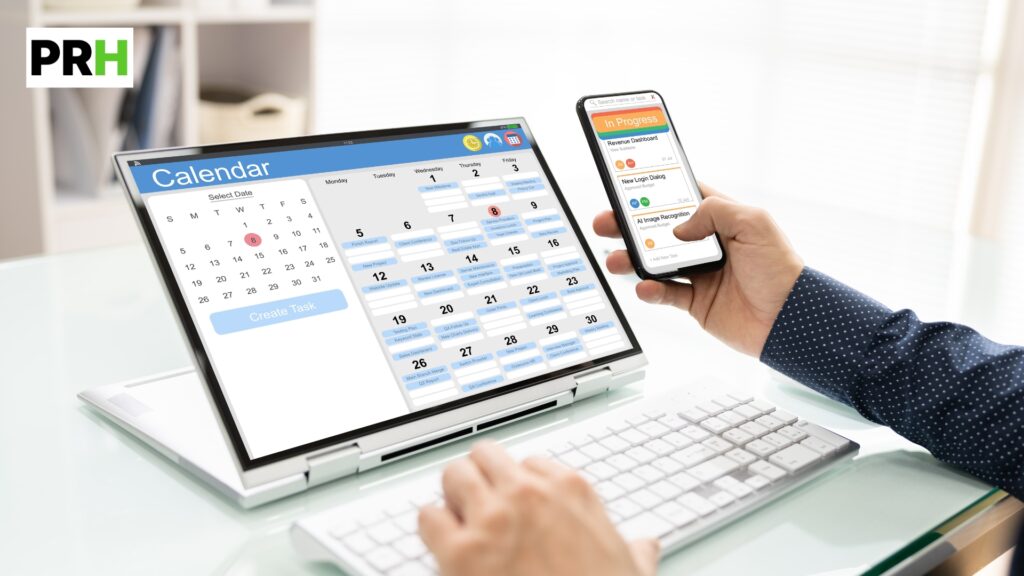

A well-structured content calendar transforms inconsistent, last-minute social media posting into a strategic system that drives bookings year-round. For party rental, bounce house, and event equipment companies, this isn’t just nice-to-have—it’s the difference between being the obvious choice when parents search “bounce house rental near me” and being invisible during your busiest seasons.
The party rental industry generates $5.9 billion annually in the U.S. alone, with over 60% of bookings concentrated during peak seasons. Your content calendar determines whether you capture that demand or watch competitors book every Saturday through October. This guide provides the exact frameworks, templates, and content strategies that successful rental companies use to maintain consistent visibility without spending hours daily on social media.
Why most party rental businesses struggle with social media
The pattern is painfully familiar: A busy June weekend passes, and you remember you haven’t posted in two weeks. You snap a quick photo of a setup, throw together a caption, and promise yourself you’ll be more consistent. By August, you’ve disappeared from feeds entirely—right when parents are booking fall birthday parties.
Inconsistent posting creates compounding problems. Algorithms reward regular activity, meaning sporadic posters see their reach decline by up to 5x compared to businesses maintaining consistent schedules. But the real cost is trust. When potential customers visit your Instagram and see your last post was six weeks ago, they wonder whether you’re still in business at all.
The second common mistake is over-promotion. Every post shouting “Book Now!” or featuring inventory photos with pricing trains your audience to scroll past. Research shows the most effective ratio is 80% value-driven content to 20% promotional posts—yet most rental companies invert this completely.
Poor visual quality presents an equally damaging problem. Party rentals are inherently visual businesses, yet many companies post dark warehouse photos or blurry snapshots that undermine the premium experience they actually deliver. When 66% of social media users say short-form video is the most engaging content type, static inventory photos can’t compete.
The content calendar framework that works for seasonal businesses
Building an effective calendar starts with understanding your business’s unique rhythm. Party rental demand isn’t random—it follows predictable cycles that your content should anticipate and amplify.
Summer dominates booking volume for outdoor inflatables, water slides, and backyard party equipment, typically running May through August. Wedding season spans April through October, accounting for roughly 30% of annual rental activity for companies offering elegant equipment. Graduation parties spike in May and June. Fall brings back-to-school celebrations and Halloween events. Winter focuses on indoor options and holiday parties.
Your content calendar should lead demand by 6-8 weeks, since 55% of parents begin party planning at least two months in advance. This means your summer content push begins in March, your graduation content starts in February, and your holiday party promotion kicks off by October.
Monthly planning provides the optimal balance between structure and flexibility. Map major themes and campaigns at month’s start, but leave roughly 20-30% of your calendar flexible for trending topics, timely reposts of customer content, and reactive engagement opportunities. Tools like Meta Business Suite allow scheduling up to 90 days ahead, enabling quarterly planning for major seasonal pushes.
Choosing the right posting frequency for each platform
The “post every day everywhere” advice that pervades social media marketing blogs doesn’t account for resource constraints small businesses actually face. Here’s what the data supports for party rental companies with limited time.
Facebook performs well with 3-5 posts weekly for local businesses with smaller followings. The platform’s algorithm now favors evening engagement, with 6-9 PM outperforming the traditional midday posting windows. Wednesday and Friday show the strongest engagement. For party rentals specifically, Facebook’s community group functionality provides unique advantages—joining local parent groups, wedding planning communities, and neighborhood groups extends reach beyond your follower count.
Instagram requires 3-5 feed posts weekly plus 2-4 Stories daily for optimal visibility. The algorithm rewards consistency over volume, making sustainable rhythms more valuable than aggressive posting that leads to burnout. Reels deserve particular attention: Instagram’s head Adam Mosseri has stated that video content receives preferential treatment in recommendations. For party rentals, this means setup timelapses and event transformation videos should anchor your strategy.
TikTok officially recommends 1-4 posts daily, but realistic guidance for small businesses suggests 3-5 videos weekly produces growth without overwhelming your capacity. The platform rewards experimentation, so treat it as a testing ground where you can try trending formats and see what resonates with your local audience.
Google Business Profile posts represent a critically overlooked opportunity. Posting weekly keeps your profile active and signals relevance to local search—particularly important since Google has begun integrating social media content directly into business profiles. This means your Instagram and Facebook posts may surface when customers search your business name.
Content pillars that drive engagement and bookings
Content pillars are the 3-5 core themes that anchor all your social media content. They prevent random posting, ensure variety, and connect every piece of content to business objectives. For party rental businesses, five pillars create comprehensive coverage.
Event inspiration and styling showcases the transformations you create—beautiful setups at actual events, creative theme executions, and the “after” shots that help customers visualize what their celebration could look like. This pillar makes your work aspirational and shareable.
Planning tips and education positions you as the helpful expert, not just another vendor. Content like “How to choose the right bounce house size for your backyard,” “5 questions to ask before booking party rentals,” or “Timeline for planning a stress-free graduation party” provides genuine value while naturally demonstrating expertise.
Behind-the-scenes and process humanizes your business and builds trust. Setup timelapses, warehouse tours, team introductions, and day-in-the-life content show the professionalism and care behind every rental. This pillar is particularly valuable for addressing safety concerns—showing proper anchoring procedures and cleaning protocols reassures parents worried about inflatable safety.
Customer success and social proof features real events, testimonials, and user-generated content. Given that 92% of consumers trust user-generated content over traditional advertising, this pillar often produces your highest-converting posts.
Promotional and booking content constitutes your direct calls to action—new inventory announcements, seasonal specials, and booking reminders. Limiting this to roughly 20% of your content prevents audience fatigue while still driving conversions.

Creating content that addresses what parents actually care about
Understanding how parents research and choose party rental companies should shape every piece of content you create. The decision-making process centers on a few core concerns that your content must address—even when you’re not explicitly discussing them.
Safety dominates parental anxiety around bounce houses and inflatables. Data showing 30 children daily receive emergency treatment for bounce house injuries means parents actively Google safety concerns before booking. Publicized incidents of bounce houses becoming airborne in wind further heighten this wariness. Your content should proactively demonstrate safety measures: proper staking and anchoring, weight capacity limits, supervision requirements, and weather policies. Behind-the-scenes content showing your setup protocols builds trust that purely promotional content cannot.
Cleanliness concerns have intensified since 2020. Content showing your sanitization processes between rentals, the condition of your equipment, and the professionalism of your team addresses unspoken worries. A 30-second Reel showing your cleaning routine provides more reassurance than any number of written claims.
Reviews and social proof close the decision. When 88% of consumers trust online reviews as much as personal recommendations, featuring testimonials and customer photos becomes essential. Screenshot your best Google reviews and turn them into graphics. Reshare customer Stories and posts. Create dedicated testimonial content that lets happy customers speak for you.
Visual content should always show equipment in context—at actual events, with children actively enjoying them, in real backyards rather than warehouse settings. Parents want to envision their party, not evaluate inventory.
Batch content creation saves hours every week
Creating content in batches rather than daily scrambling typically saves up to 70% of time while producing higher-quality results. Two approaches work depending on your schedule and preferences.
The done-in-a-day method dedicates a few hours or full day to creating an entire week’s or month’s content. Block uninterrupted time, gather all materials beforehand, and work through each content pillar systematically. This works best if you can protect focused time from interruptions.
The daily task method spreads creation across a week with 1-2 hours daily on specific tasks: Monday for idea generation and calendar planning, Tuesday for caption writing, Wednesday for photo selection and editing, Thursday for video creation, and Friday for scheduling everything.
Regardless of approach, the batching process follows consistent steps. Begin by reviewing your content calendar and identifying what content is needed for each pillar. Analyze past posts to identify high-performers worth replicating. Brainstorm ideas around upcoming holidays, seasonal themes, and customer FAQs. Write all captions in a single session using a consistent structure—hook to stop scrolling, body with value, call-to-action at the end.
Source photos from recent events, customer submissions, and past photoshoots. Film videos in batches when you’re already at event setups—capture the transformation, get customer permission for testimonial clips, and shoot behind-the-scenes footage while equipment is deployed. Design graphics using templates you’ve created for consistency. Finally, schedule everything using your chosen tool, leaving gaps for reactive content.
Tools and templates for small business budgets
Free tools handle most content calendar needs effectively. Meta Business Suite schedules posts for Facebook and Instagram up to 90 days ahead, includes analytics showing when your audience is most active, and provides a drag-and-drop calendar interface. For businesses primarily focused on these two platforms, it’s often sufficient.
Google Sheets templates provide maximum flexibility for content planning. Create columns for date, platform, content pillar, caption, hashtags, media file location, and status. Color-code by pillar or content type for visual planning. The sharing features make collaboration easy if team members contribute.
Canva’s free tier combines design tools with basic scheduling. Create graphics using templates for visual consistency, then schedule directly from the platform. The limitation of connecting fewer accounts on free plans matters less for focused businesses.
For more robust features, Buffer starts at $5 monthly per channel and offers clean interfaces designed for simplicity. Later begins at $16.67 monthly and emphasizes visual planning—particularly valuable for image-heavy businesses. Hootsuite at $99 monthly suits larger operations needing comprehensive analytics and team collaboration.
When evaluating any tool, prioritize: visual calendar views for monthly planning, multi-platform scheduling from single dashboards, analytics showing what’s working, and mobile apps for on-the-go adjustments.
Repurposing content across platforms efficiently
One event photoshoot should produce 10+ pieces of content across platforms. This multiplication makes content creation sustainable for businesses without dedicated marketing staff.
Start with a single event where you’ve captured photos, video, and customer feedback. From this, create a photo carousel showing the full setup for Instagram, individual standalone photos for posts over the following weeks, a setup timelapse Reel for Instagram and TikTok, behind-the-scenes Stories showing your team working, a Pinterest pin with text overlay linking to your website, a blog post featuring the event with planning tips, a quote graphic from the customer testimonial, an email newsletter feature, and before/after comparison posts.
Platform adaptation matters more than identical cross-posting. The same setup video works on Instagram Reels and TikTok, but TikTok benefits from trending audio while Instagram may perform better with original sound. Facebook captions can run longer with more context. Pinterest requires vertical formatting with text overlays and links to your website.
High-performing content deserves recycling. Posts that generated significant engagement can reappear 3-6 months later, especially if they’re evergreen topics like planning tips or showcase content. Seasonal content should anchor your calendar year after year—your best summer water slide Reels can return every May.
Building local visibility through social media
Social media and local SEO work together more directly than many business owners realize. Google has begun pulling social media content directly into business profiles, meaning your Instagram posts may appear when customers search your company name. Ensuring your Google Business Profile links to all social accounts—and maintaining active posting—supports overall search visibility.
Location tagging dramatically increases reach. Posts with geotags receive 79% more engagement than untagged content. Tag the venues where you deliver, the neighborhoods you serve, and vary your location tags to maximize visibility across your service area. Combine geotags with location-based hashtags: #DenverEvents, #AustinWeddings, #OrlandoKidsParties.
Community engagement extends reach beyond your follower count. Join local Facebook groups—parent communities, wedding planning groups, neighborhood forums—and participate genuinely. Answer questions helpfully without immediate sales pitches. Share expertise freely. This approach builds reputation and generates referrals that paid advertising often cannot match.
Partnerships with complementary vendors multiply visibility. Caterers, photographers, venue coordinators, florists, and event planners serve the same customers you do. Cross-promotion through social media swaps, joint styled shoots for shared content, and consistent tagging when working events together exposes your business to established audiences.
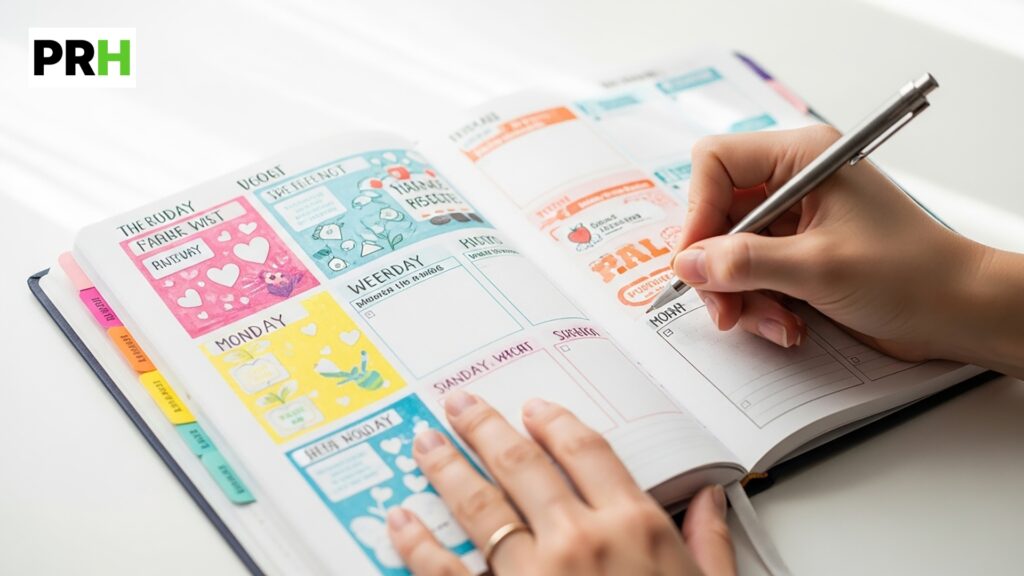
A weekly content schedule you can actually maintain
Sustainability matters more than aggressive posting that inevitably leads to burnout and abandonment. This framework assumes 5 posts weekly across your primary platform, adapting your content pillars into a reliable rhythm.
Monday opens with inspiration—showcase a beautiful event from the previous weekend while it’s fresh. Tuesday provides value through educational content: tips, how-tos, or answers to common questions. Wednesday features behind-the-scenes content, perfect for posting setup videos from weekend events. Thursday drives engagement with interactive posts: polls comparing setup options, questions for your audience, or customer features. Friday converts with promotional content: availability for upcoming weekends, booking reminders, or special offers.
Stories supplement this schedule with real-time content: event-day updates, quick behind-the-scenes clips, and reshared customer posts. The Stories format’s ephemeral nature makes it lower-pressure—imperfect content fits here better than in permanent feed posts.
Leave one or two weekly slots flexible for timely opportunities: a particularly impressive event, trending content formats, or reactive engagement with local happenings. Over-scheduling creates rigidity that makes your content feel stale.
Measuring what actually matters
Vanity metrics like follower counts matter less than engagement rates and conversion actions. Track these key metrics monthly to understand what’s working.
Engagement rate indicates how well your content resonates—likes, comments, shares, and saves relative to reach. Declining engagement despite consistent posting suggests content quality or relevance issues. High engagement on specific content types guides future creation.
Website clicks from social profiles show how effectively you’re driving potential customers toward booking. Use link-in-bio tools to track which posts generate traffic. Google Analytics reveals which social platforms send the most engaged visitors.
Reach and impressions measure brand awareness, particularly important during pre-peak season when you’re building visibility before booking demand spikes.
Direct messages and comments requesting information often represent your warmest leads. Track how many inquiries originate from each platform monthly.
Meta Business Suite provides these analytics free for Facebook and Instagram. Review monthly, noting which content pillars and formats generate the strongest results, then adjust your calendar accordingly.
Making consistency sustainable for the long term
The most sophisticated content calendar becomes worthless if execution fails after two months. Building systems that survive your busiest seasons requires honest assessment of sustainable capacity.
Start with a posting frequency you’re confident you can maintain indefinitely, then increase only after proving consistency. Three posts weekly executed reliably outperforms ambitious five-post plans that collapse in June.
Batch creation during slower periods builds reserves for peak season. January and February offer opportunity to create evergreen content, stockpile educational graphics, and prepare templates that make summer posting manageable when every weekend includes multiple events.
Consider delegation options as your business grows. Part-time social media help—even 5-10 hours weekly—transforms what’s possible. Cross-training team members to capture event content during setups multiplies your raw material.
The goal isn’t viral posts or massive follower growth. The goal is consistent visibility that keeps your business top-of-mind when parents decide their child’s birthday needs a bounce house, when a corporate event planner needs tables and tents, when a bride starts searching for elegant rental options. A realistic, sustainable content calendar accomplishes this—and ultimately, drives the bookings that grow your business.