
When a parent in your service area searches “bounce house rental near me” or “party rentals in [your city],” dozens of factors determine whether your website appears at the top of results or gets buried on page three. Many party rental business owners focus heavily on Google Business Profile optimization and review generation—both important—but overlook the foundational work happening on their actual website pages.
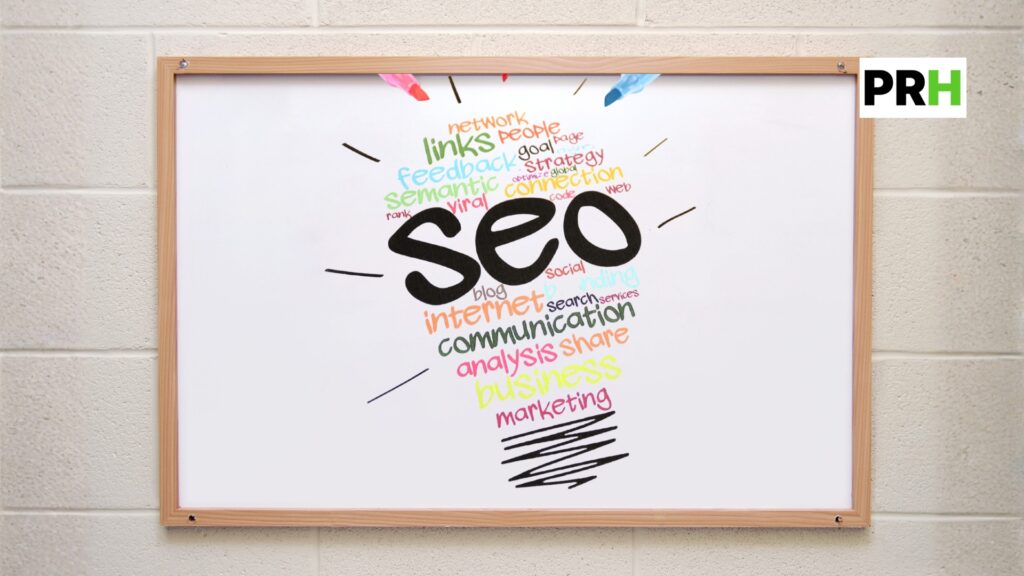
On-page SEO is the practice of optimizing individual pages on your site so search engines understand exactly what each page offers and who it serves. For party rental companies, this means helping Google connect your water slide rental page with parents searching for water slide rentals in your specific service area.
The challenge? On-page SEO advice online is often generic, written for e-commerce stores or national brands. Party rental businesses operate differently. You serve specific geographic areas. Your customers are often parents planning under time pressure. Your inventory pages need to communicate safety, availability, and trust—not just product specifications.
This checklist breaks down every on-page element that matters for party rental websites in 2026, with specific guidance on how each element functions in this industry.
Why On-Page SEO Deserves Your Attention This Year
Search engines have grown significantly more sophisticated. Google now evaluates not just whether your page contains relevant keywords, but whether it genuinely serves the person searching. For party rental businesses, this shift actually works in your favor—if you approach optimization correctly.
Consider how parents typically search for party rentals. They’re not browsing casually. They have an event date, a general idea of what they need, and they want to find a reliable local company quickly. When your on-page SEO is done well, you’re not gaming the system. You’re making it easier for search engines to match your services with people actively looking for them.
Strong on-page optimization also compounds over time. A well-optimized bounce house rental page can continue generating organic traffic and bookings for years, unlike paid advertising that stops working the moment you stop paying. For seasonal businesses where cash flow varies throughout the year, this sustainable traffic source provides stability.
The other reality is that most party rental websites have significant on-page SEO gaps. Basic issues like missing meta descriptions, duplicate title tags across multiple pages, and thin content on inventory pages are common. Addressing these fundamentals often produces noticeable ranking improvements because the competitive bar in local markets remains relatively low.

The Complete On-Page SEO Checklist for Party Rental Websites
Title Tags: Your First Impression in Search Results
The title tag is the clickable headline that appears in search results. It’s one of the strongest on-page ranking signals and directly influences whether someone clicks through to your site.
Optimization guidelines:
Each page needs a unique title tag that clearly describes what the page offers. For party rental businesses, this means including the specific service and your primary service area.
Effective title tag structure: [Primary Service] + [Location] + [Brand Modifier]
Examples that work well:
- “Bounce House Rentals in Tampa, FL | [Your Business Name]”
- “Water Slide Rentals Phoenix | Delivered & Set Up | [Your Business Name]”
- “Table and Chair Rentals Austin TX | Event Equipment Rental”
Keep title tags under 60 characters when possible to prevent truncation in search results. Front-load the most important information since that’s what appears first if the title gets cut off.
A common mistake in this industry is using the same title tag across all inventory pages or using vague titles like “Products” or “Our Rentals.” Each rental category page—bounce houses, water slides, obstacle courses, tables and chairs—deserves its own optimized title tag targeting specific search terms.
Meta Descriptions: Your Opportunity to Earn the Click
Meta descriptions don’t directly impact rankings, but they significantly affect click-through rates. This is the two-line description that appears below your title in search results.
What makes meta descriptions work for party rental pages:
Write descriptions that address what parents actually care about: reliability, safety, and convenience. Generic descriptions like “We offer the best party rentals in the area” waste this valuable real estate.
Instead, include specifics that differentiate your service:
- Mention delivery and setup if you provide it
- Reference your service area
- Include trust signals like years in business or inspection standards
- Create urgency around booking (without being pushy)
Example: “Bounce house rentals delivered and professionally set up throughout North Dallas. Inspected before every rental. Book online or call for same-week availability.”
Keep meta descriptions between 150-160 characters. Every page should have a unique meta description—duplicates across your site represent missed opportunities.
Header Tags: Organizing Content for Readers and Search Engines
Header tags (H1, H2, H3) create a hierarchical structure that helps both visitors and search engines understand your content.
H1 Tag (Main Heading)
Each page should have exactly one H1 tag that clearly states what the page is about. For inventory pages, this should match the primary service:
- “Bounce House Rentals in [City]”
- “Water Slide Rentals for [Region] Events”
- “Table and Chair Rental Packages”
Your homepage H1 should capture your primary service offering and location: “Party Rentals and Bounce House Delivery in [Your Service Area]”
H2 and H3 Tags (Subheadings)
Use H2 tags to break content into logical sections. For a bounce house category page, H2s might include:
- “Bounce House Styles and Sizes Available”
- “Rental Pricing and Packages”
- “Delivery Areas and Setup Information”
- “Safety Standards and Inspection Process”
H3 tags work well for subsections within those H2 categories—individual bounce house styles, different package tiers, or specific neighborhoods within your delivery area.
This structure helps parents quickly find the information they need while signaling to search engines what topics your page covers comprehensively.
URL Structure: Clean, Descriptive, and Consistent
URL structure affects both user experience and search engine understanding. A well-structured URL tells visitors and Google exactly what to expect on the page.
Best practices for party rental URLs:
Keep URLs short, descriptive, and keyword-relevant:
- Good: yoursite.com/bounce-house-rentals-houston
- Avoid: yoursite.com/products/category7/item-listing-45
Use hyphens to separate words, not underscores. Lowercase letters only. Remove unnecessary words like “and,” “the,” or “a” when they don’t add meaning.
Create a logical hierarchy that reflects your site structure:
- yoursite.com/rentals/bounce-houses/
- yoursite.com/rentals/water-slides/
- yoursite.com/rentals/tables-chairs/
If you serve multiple cities, consider location-specific URLs:
- yoursite.com/locations/houston-bounce-house-rentals/
- yoursite.com/locations/katy-party-rentals/
Once URLs are published and indexed, avoid changing them unless absolutely necessary. URL changes can temporarily impact rankings and require proper redirects.
Content Quality: The Foundation Everything Else Builds On
Content quality has become the most significant on-page factor. Thin, generic content no longer ranks well, regardless of how well other elements are optimized.
What quality content means for party rental pages:
Your inventory pages shouldn’t just list specifications. They should answer the questions parents actually have when considering a rental.
For a bounce house rental page, comprehensive content might address:
- What ages and group sizes each bounce house accommodates
- Setup requirements (space needed, surface types, power access)
- What’s included with the rental (delivery, setup, takedown, extension cords)
- Safety features and your inspection/cleaning process
- Rental duration options and pricing structure
- Your booking and cancellation policies
- What happens in case of weather issues
This content serves two purposes. It helps parents make informed decisions, which increases booking conversions. And it signals to search engines that your page comprehensively covers the topic, which improves rankings.
Content length considerations:
There’s no magic word count, but inventory category pages typically need 500-1,000 words of useful content to rank competitively. Individual product pages can be shorter (300-500 words) if they’re specific and informative.
Homepage content should introduce your business, services, and service areas—typically 400-800 words plus additional content in service summaries.
Avoid the temptation to pad content with filler. Every paragraph should serve the reader. Parents researching party rentals are busy and will leave pages that waste their time.
Image Optimization: Visual Content That Helps Rankings
Party rental websites are inherently visual. Photos of your inventory help parents make decisions. But those images need optimization to contribute to your SEO efforts.
File names matter more than most realize:
Before uploading images, rename files to describe what they show:
- Good: blue-bounce-house-castle-tampa-rental.jpg
- Avoid: IMG_4582.jpg or bounce-house-1.jpg
Search engines can’t “see” images the way humans do. Descriptive file names help them understand and index your visual content.
Alt text for accessibility and SEO:
Alt text (alternative text) describes images for visually impaired users and search engines. Every image should have relevant, descriptive alt text.
Examples:
- “Blue castle bounce house set up for a birthday party in a Tampa backyard”
- “Children playing on an inflatable water slide rental”
- “Round tables with white linens set up for an outdoor wedding reception”
Avoid keyword stuffing in alt text. Write naturally, describing what the image actually shows while including relevant terms where they fit naturally.
Image sizing and format:
Large, unoptimized images slow page loading, which hurts both user experience and rankings. Resize images to the actual dimensions they’ll display on your site. A 4000-pixel-wide image displayed at 800 pixels wastes bandwidth.
Use modern formats like WebP when possible, with JPEG fallbacks. Compress images to reduce file size while maintaining visual quality.
Internal Linking: Connecting Your Pages Strategically
Internal links—links from one page on your site to another—help search engines discover and understand all your pages while distributing ranking authority throughout your site.
Strategic internal linking for party rentals:
From your homepage, link to main category pages (bounce houses, water slides, event equipment). From category pages, link to individual product pages. From product pages, link to related rentals and relevant informational content.
Use descriptive anchor text (the clickable text) rather than generic phrases:
- Good: “View our selection of water slide rentals”
- Avoid: “Click here” or “Learn more”
Create content that naturally supports internal linking. A blog post about “Planning a Backyard Birthday Party” provides opportunities to link to bounce house, table and chair, and party supply rental pages.
Location pages should link to relevant inventory that’s available in each area. If you serve multiple cities, each location page should connect to the services available there.
Local SEO Elements: Geographic Signals Throughout Your Site
For party rental businesses, local relevance is essential. On-page elements should consistently reinforce where you provide service.
NAP consistency (Name, Address, Phone):
Your business name, address, and phone number should appear identically across your website—typically in the header, footer, or both. This consistency helps search engines verify your business information and connect your website with your Google Business Profile.
Service area pages:
If you serve multiple cities or neighborhoods, create dedicated pages for each significant area. A page for “Bounce House Rentals in Katy, TX” can rank for searches specific to that suburb while your main pages target broader terms.
These pages need unique, useful content—not just the same text with different city names swapped in. Discuss specific venue types popular in each area, local delivery considerations, or popular event types in different neighborhoods.
Schema markup:
Schema markup is code that helps search engines understand your content more precisely. LocalBusiness schema is particularly important for party rental companies.
At minimum, implement:
- LocalBusiness or more specific types like PartySupplyAndRental
- Your business name, address, phone number
- Service area
- Operating hours
- Accepted payment methods
Individual rental pages can use Product schema to provide pricing and availability information that may appear in search results.
Page Speed: Technical Performance Affects Rankings
Page loading speed directly impacts both rankings and conversion rates. Parents browsing party rentals on mobile devices won’t wait for slow pages to load.
Key speed optimization factors:
Compress and properly size images (often the biggest factor for image-heavy rental sites). Enable browser caching. Minimize unnecessary scripts and plugins. Use a quality hosting provider—shared hosting plans often struggle with traffic spikes during peak booking season.
Test your pages using Google’s PageSpeed Insights tool. Focus on Core Web Vitals metrics: Largest Contentful Paint (loading), First Input Delay (interactivity), and Cumulative Layout Shift (visual stability).
For party rental websites specifically, image optimization typically offers the most significant speed improvements. Those high-quality photos of your inventory are important, but they need proper compression.
Mobile Optimization: Where Most Parents Browse
The majority of party rental searches happen on mobile devices—parents researching during lunch breaks, while watching kids at activities, or from event venues. Your site must work flawlessly on phones.
Mobile optimization essentials:
Ensure responsive design that adapts to all screen sizes. Test navigation on mobile—menus should be easy to access and use. Make phone numbers clickable for tap-to-call functionality. Ensure forms work smoothly on touchscreens.
Check that images display properly and don’t extend beyond screen boundaries. Verify that text is readable without zooming. Button and link targets should be large enough for finger taps.
Google primarily uses mobile versions of websites for indexing and ranking. A site that looks great on desktop but functions poorly on mobile will struggle in search results.

Common On-Page SEO Mistakes in the Party Rental Industry
Understanding what to avoid is as valuable as knowing what to do.
Duplicate content across inventory pages: Many rental websites use identical descriptions across similar products, just changing the item name. This creates duplicate content issues and missed opportunities to rank for varied search terms. Each rental item should have unique descriptive content.
Neglecting service area pages: Relying only on broad city targeting while competitors create optimized pages for specific suburbs and neighborhoods. Local search is increasingly specific, and pages targeting “bounce house rental [suburb name]” often face less competition than major metro areas.
Ignoring page speed on mobile: Testing websites only on desktop computers with fast connections. Real customers are browsing on phones over cellular connections. Speed issues that seem minor on desktop become major barriers on mobile.
Keyword stuffing: Repeating target keywords unnaturally throughout content in an attempt to rank higher. This outdated tactic now hurts rankings. Write for humans first; keywords should fit naturally into useful content.
Missing or duplicate meta information: Using the same title tags and meta descriptions across multiple pages, or leaving these fields empty entirely. Each page needs unique meta content targeting its specific purpose.
Thin content on high-value pages: Category pages with just a gallery of images and no substantive text. Search engines need content to understand and rank pages. Those category pages are often your most valuable for SEO.
Practical Implementation: Where to Start
If this checklist feels overwhelming, prioritize based on impact.
First priority: Homepage and main category pages
These pages typically have the most ranking potential. Ensure each has:
- Unique, optimized title tag
- Compelling meta description
- Clear H1 tag
- Substantial, useful content
- Properly optimized images
Second priority: Service area pages
If you serve multiple locations, create or improve dedicated pages for your most important service areas. These pages often produce quick wins because local competition may be limited.
Third priority: Individual product pages
Work through your inventory systematically, ensuring each rental item has unique descriptions, optimized images, and helpful content.
Ongoing: Technical factors
Address page speed issues, fix broken links, implement schema markup, and maintain mobile optimization as you add new content.
Document your optimizations in a spreadsheet tracking each page, its current state, and completed improvements. This prevents duplicate work and helps identify remaining gaps.
Seasonal Considerations for Ongoing Optimization
Party rental demand fluctuates significantly by season, and your on-page SEO should reflect this.
During peak seasons (typically late spring through early fall for most markets), ensure your most in-demand pages are fully optimized. Water slide pages should be updated before summer. Holiday-themed rentals should be optimized before October.
Off-season months provide opportunity for optimization work without competing pressure from booking inquiries. This is ideal timing for comprehensive audits, content improvements, and technical fixes.
Consider creating seasonal content that targets searches specific to different times of year—graduation party rentals in spring, summer pool party equipment, fall festival games, holiday event solutions. This content can be refreshed and promoted as each season approaches.
Building Long-Term Organic Visibility
On-page SEO isn’t a one-time project. Search engines continuously evaluate pages, competitors adjust their strategies, and customer search behavior evolves.
Schedule quarterly reviews of your most important pages. Check rankings for target keywords. Update content that’s become outdated. Add new relevant information as your inventory or service areas expand.
Pay attention to pages that rank on the second page of search results—positions 11-20. These are often closest to breaking through to page one with modest optimization improvements.
Monitor which pages generate the most organic traffic and conversions. These successful pages reveal what’s working and can inform how you optimize underperforming pages.
The party rental businesses that build strong organic visibility share a common approach: they treat their websites as evolving resources rather than static brochures. Each page improvement compounds over time, gradually building an online presence that consistently generates bookings without ongoing advertising costs.
This checklist provides the framework. Implementation, consistency, and patience produce the results.